107. $150
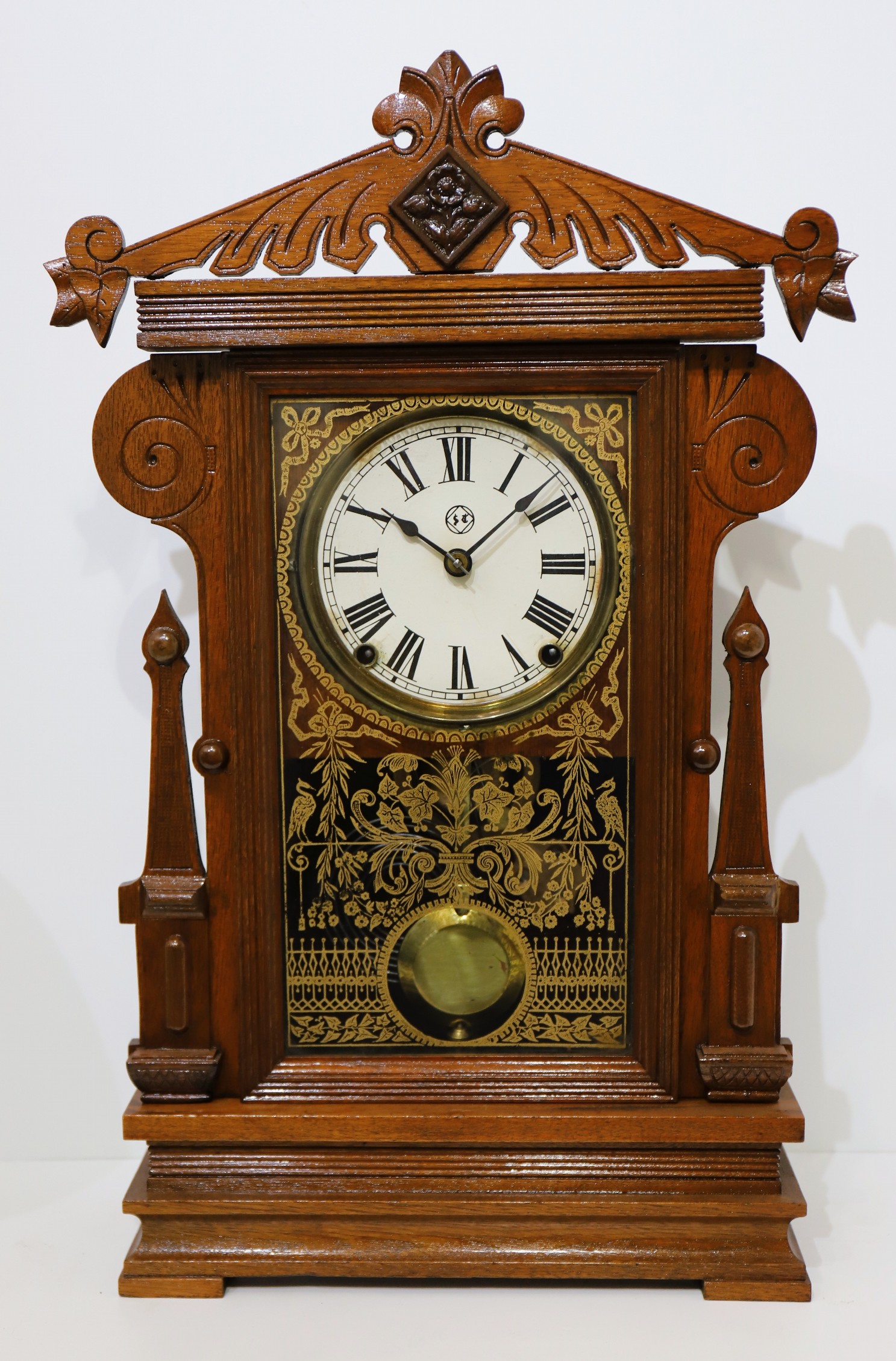
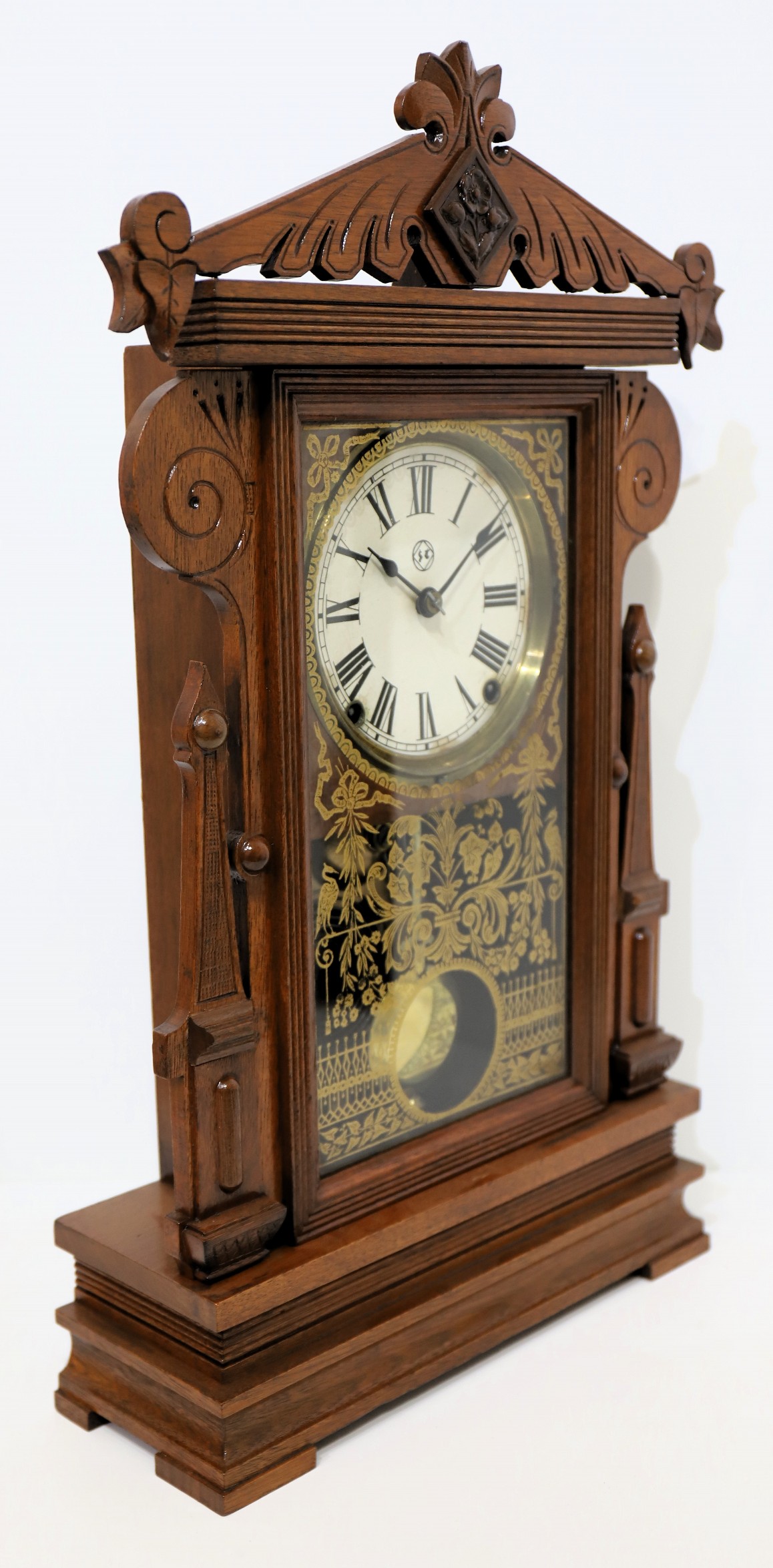
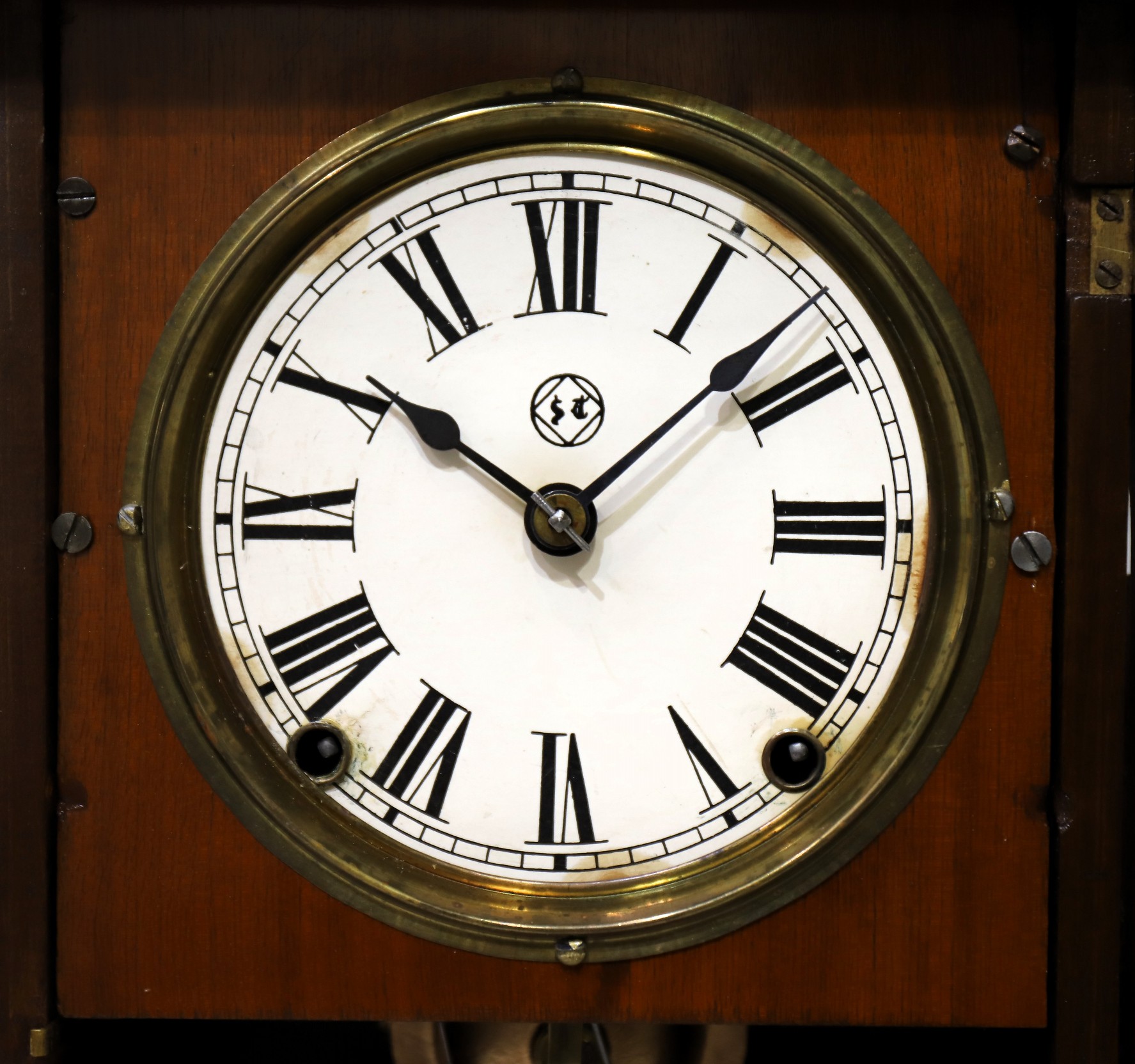
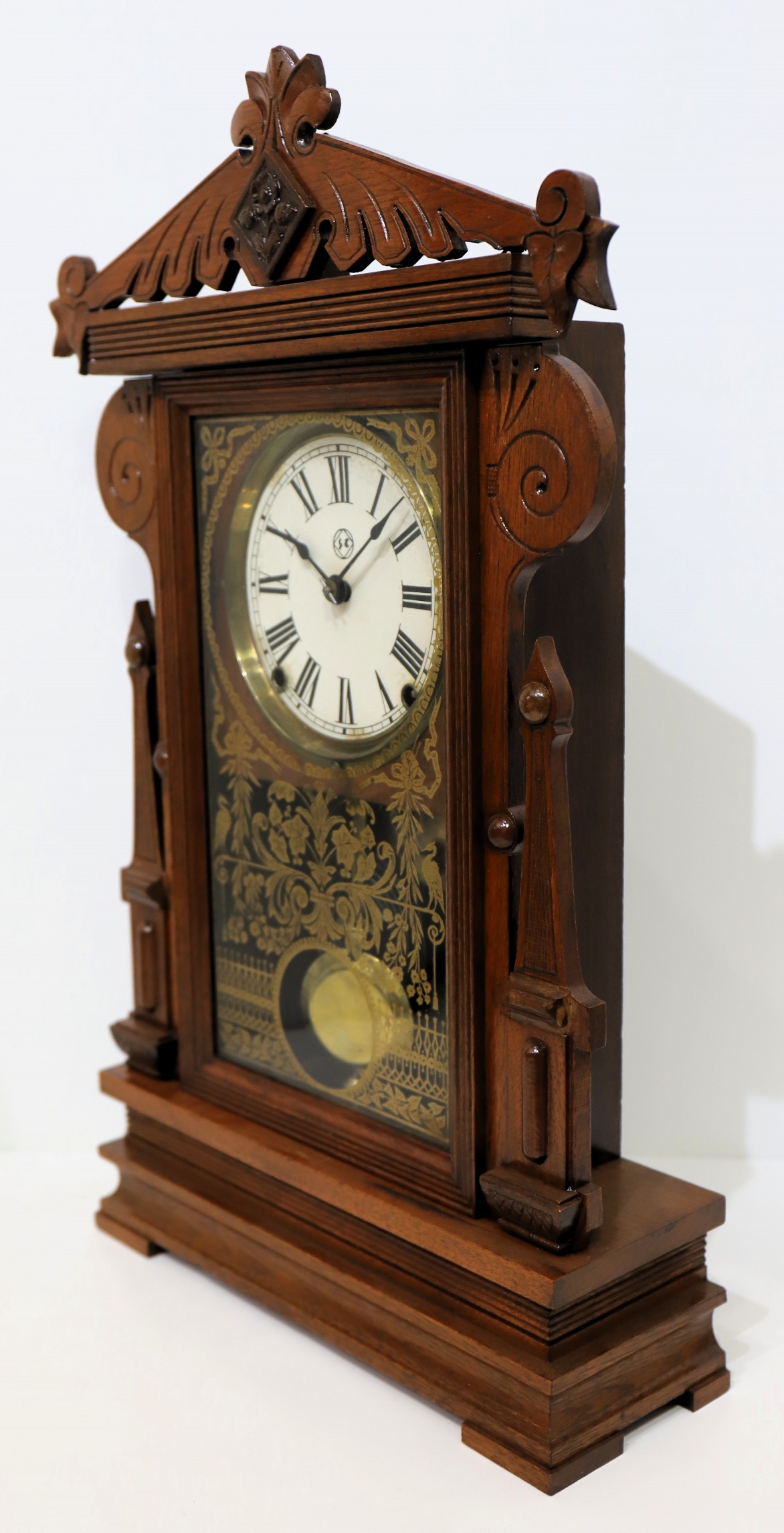
Seth Thomas Clock Co. “Danville”, ca. 1890. This model
is not shown in Ly’s books on Seth Thomas clocks and only a single example is found on LiveAuctioneers and the Antique Clocks Identification
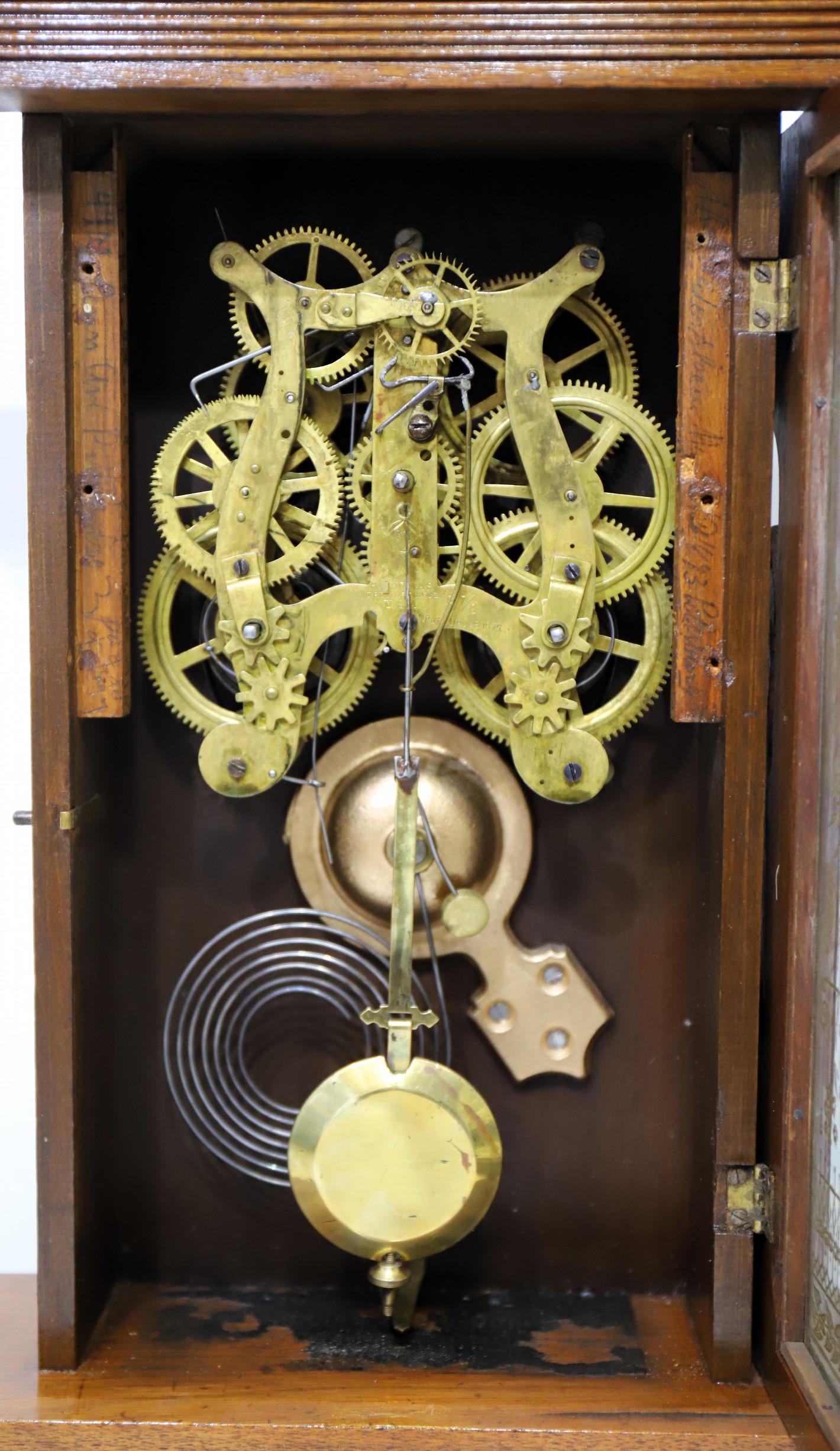
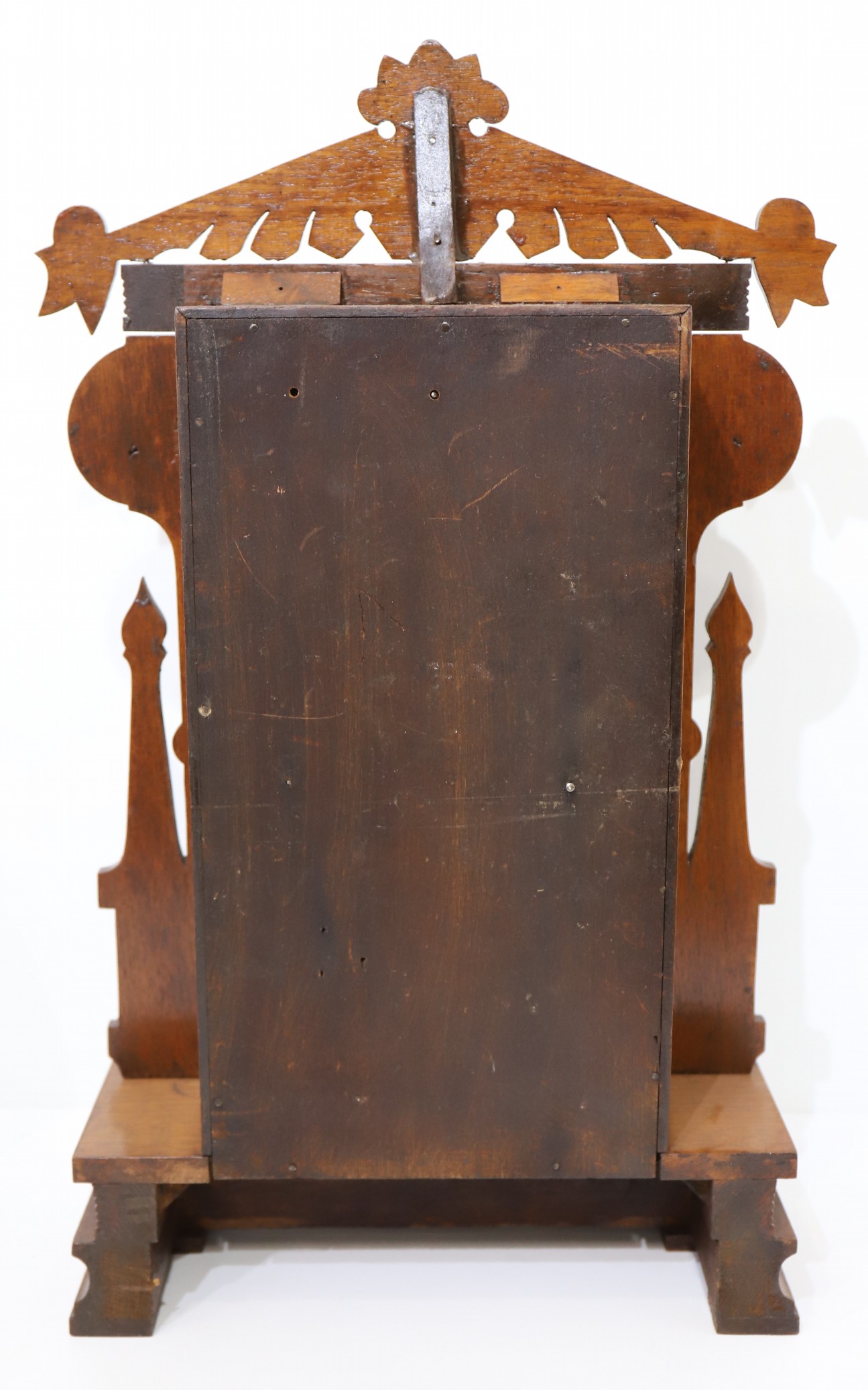
and Price Guide. The walnut case is 22.5 inches tall with a glossy finish; the door glass is likely original, with a good stencil. The dial is replaced glossy paper with the ST logo, the hands are ST issue. The signed 8-day, time-and-strike movement is running
but in need of service; it strikes on a wire gong with a painted gong mount. The pendulum is ST issue and there is a black label
on the bottom inside. No one knows what has happened to all the ST City Series clocks, they used to be quite common. This
is a rare one. $150–$250.

Antique American Clocks January 2026


$1-$249 $0 The bid you place is the price you pay – no increments applied
$250-$499 $25
$500-$999 $50
$1000-$2499 $100
$2500-$4999 $250
$5000-$9999 $500
$10,000 > $1000